
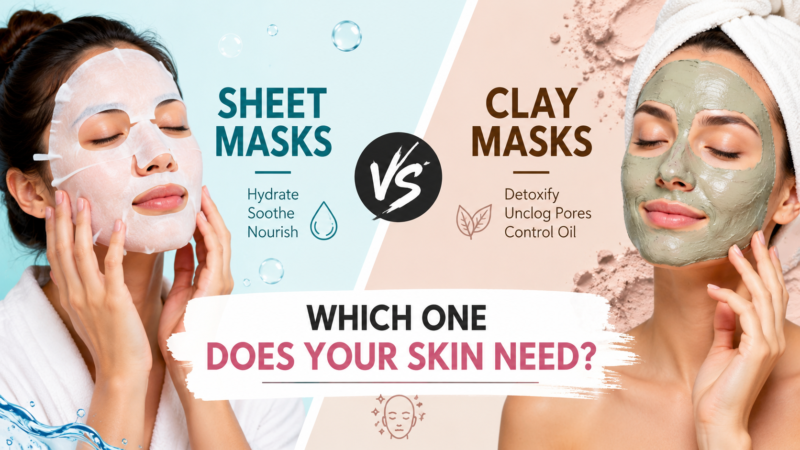
Sheet Masks vs Clay Masks: Which One Does Your Skin Need?
The skincare industry is constantly introducing new products, but two face masks continue to dominate beauty routines worldwide: sheet masks and clay masks. Both promise healthier, brighter skin, yet they serve very different purposes. Choosing the wrong mask for your skin type can lead to disappointing results, while choosing the right one can transform your skincare routine.
If you’ve ever wondered whether a sheet mask or a clay mask is better for your skin, this guide will help you understand the key differences, benefits, and ideal uses for each.
What Are Sheet Masks?
Sheet masks are thin fabric, hydrogel, or bio-cellulose sheets soaked in a concentrated serum containing beneficial ingredients. They are designed to sit directly on the face, allowing the skin to absorb hydration and nutrients.
Originating from Korean skincare, sheet masks have become a global beauty trend because of their convenience and instant results.
Benefits of Sheet Masks
- Provide intense hydration
- Improve skin softness and elasticity
- Deliver active ingredients effectively
- Create a temporary glowing appearance
- Easy and mess-free to use
Most sheet masks contain ingredients such as hyaluronic acid, niacinamide, vitamin C, aloe vera, and peptides that target specific skin concerns.
What Are Clay Masks?
Clay masks are made using natural clays such as kaolin, bentonite, or French green clay. Unlike sheet masks, clay masks work by drawing out excess oil, dirt, and impurities from the skin.
They have been used for centuries as a natural skincare treatment and remain a favorite among people with oily and acne-prone skin.
Benefits of Clay Masks
- Absorb excess oil
- Deep clean pores
- Help reduce blackheads
- Remove impurities from the skin
- Improve overall skin texture
Clay masks are particularly effective for people struggling with clogged pores and frequent breakouts.
Sheet Masks vs Clay Masks: The Main Difference
The biggest difference between sheet masks and clay masks lies in their purpose.
Sheet masks focus primarily on hydration and nourishment. They add moisture to the skin and help improve radiance.
Clay masks focus on purification and oil control. They remove impurities and help keep pores clean.
Think of sheet masks as a drink of water for your skin, while clay masks act as a deep cleansing treatment.
Which Mask Is Better for Dry Skin?
If you have dry or dehydrated skin, sheet masks are usually the better choice.
Dry skin often lacks moisture and requires ingredients that help restore hydration. Sheet masks create a barrier that prevents moisture from evaporating, allowing the skin to absorb beneficial ingredients more effectively.
Look for sheet masks containing:
- Hyaluronic acid
- Ceramides
- Glycerin
- Aloe vera
- Squalane
Clay masks may sometimes make dry skin feel tighter if used too frequently.
Winner for Dry Skin: Sheet Masks
Which Mask Is Better for Oily Skin?
People with oily skin often struggle with excess sebum production, enlarged pores, and frequent breakouts.
Clay masks can help absorb excess oil and reduce shine without harsh scrubbing. They also help prevent pore congestion, which may contribute to acne.
Ingredients commonly found in clay masks include:
- Bentonite clay
- Kaolin clay
- Charcoal
- Tea tree extract
- Salicylic acid
These ingredients work together to cleanse and refresh oily skin.
Winner for Oily Skin: Clay Masks
Which Mask Is Better for Acne-Prone Skin?
Acne-prone skin can benefit from both types of masks, depending on the situation.
Clay masks are excellent for removing excess oil and reducing clogged pores, which are major contributors to acne formation.
However, acne treatments can often dry out the skin. In such cases, hydrating sheet masks can help restore moisture and support the skin barrier.
Many dermatologists recommend alternating between clay masks and soothing sheet masks for balanced skincare.
Winner for Acne-Prone Skin: Both
Which Mask Is Better for Sensitive Skin?
Sensitive skin requires gentle ingredients that calm irritation rather than trigger inflammation.
Many sheet masks contain soothing ingredients such as:
- Centella Asiatica
- Chamomile
- Green tea extract
- Aloe vera
These ingredients help reduce redness and provide comfort to stressed skin.
Some clay masks may be too drying or irritating for sensitive skin if left on for too long.
Winner for Sensitive Skin: Sheet Masks
Which Mask Gives Instant Glow?
If you have a special event, wedding, party, or photoshoot coming up, sheet masks are often the better choice.
Because they deliver hydration quickly, sheet masks can make the skin appear plumper, smoother, and more radiant within minutes.
This temporary glow is one reason why many celebrities and makeup artists use sheet masks before important events.
Winner for Instant Glow: Sheet Masks
Which Mask Helps With Blackheads?
Blackheads occur when pores become clogged with oil and dead skin cells.
Clay masks help draw out impurities and reduce excess oil, making them more effective for blackhead-prone skin.
Regular use may help improve pore appearance and keep skin cleaner.
Winner for Blackheads: Clay Masks
Can You Use Both Masks?
Absolutely.
In fact, many skincare experts recommend using both types of masks as part of a balanced routine.
A popular technique called “multi-masking” involves applying different masks to different areas of the face.
For example:
- Clay mask on the T-zone (forehead, nose, and chin)
- Sheet mask or hydrating treatment on dry areas
This approach allows you to target multiple skin concerns at the same time.
How Often Should You Use Them?
Sheet Masks
- 2–4 times per week
- More frequently if your skin is very dry
Clay Masks
- 1–2 times per week
- Avoid overuse, as excessive use may cause dryness
Consistency is more important than frequency. Using masks regularly as part of a complete skincare routine will deliver the best results.
Final Verdict: Which One Does Your Skin Need?
The answer depends on your skin type and skincare goals.
Choose a sheet mask if:
- Your skin feels dry or dehydrated
- You want instant hydration
- You need a quick glow before an event
- You have sensitive skin
Choose a clay mask if:
- Your skin is oily
- You struggle with blackheads
- You want deep pore cleansing
- You experience frequent breakouts
For many people, the best solution isn’t choosing one over the other. Instead, incorporating both sheet masks and clay masks into your routine can provide hydration, purification, and healthier-looking skin.
Understanding your skin’s needs is the key to making the right choice. Whether you prefer the nourishing boost of a sheet mask or the deep-cleaning power of a clay mask, the right product can help you achieve clearer, brighter, and more balanced skin.

No Comments